
(And why it matters more than most people think)
“It still works fine… so why worry?” That’s usually the moment it starts. The device still works, apps open normally, nothing seems wrong. Then, at some point, someone checks the settings and notices: the security patch date hasn't changed in months.
For many users, and even many organizations, that moment reads as a highly technical detail. And rightly so, because it is. It marks a critical shift in something that underpins everything else: the security foundation of the device.
Google security updates are part of the ongoing protection layer within the Android ecosystem managed by Google. Their purpose is simple: fixing newly discovered vulnerabilities in the Android operating system.
These updates typically include:
They are released regularly in monthly cycles and then distributed by device manufacturers to supported devices. In short: they are what keeps Android devices protected against newly emerging threats.
A common misconception is that security support starts when you buy a device. In reality, it starts at the moment where Android is introduced.
For example:
In that case, you only receive 1 year of remaining security support, not 3. This happens because support is tied to the software version, not the purchase date.
Why updates eventually stop
There are several reasons for this:
So over time, support naturally phases out, even if the device itself is still functioning perfectly.
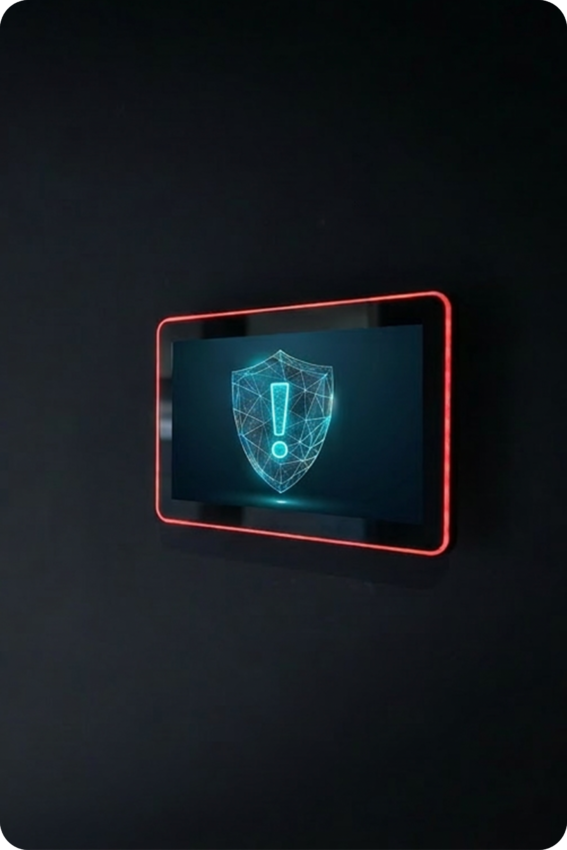
When Google security updates stop, the device doesn’t suddenly stop working. But the protection layer stops evolving. That means: New vulnerabilities discovered after the support window are no longer patched.
Over time, this creates increasing exposure to risk:
The risk is rarely immediate; it builds silently over time.
In consumer use, devices are replaced regularly. In professional environments, that’s often not the case.
Think of:
These systems are expected to run for many years, often without interruption. And here a second reality comes into play: investment protection. These devices are not just tools, they are capital investments. Replacing them earlier than necessary because of software support gaps is not only operationally disruptive, it is also costly.
Continuously replacing hardware simply because security updates expire can quickly become an expensive cycle:
So the real question is not only about security, but also about how to protect the lifespan of your investment.
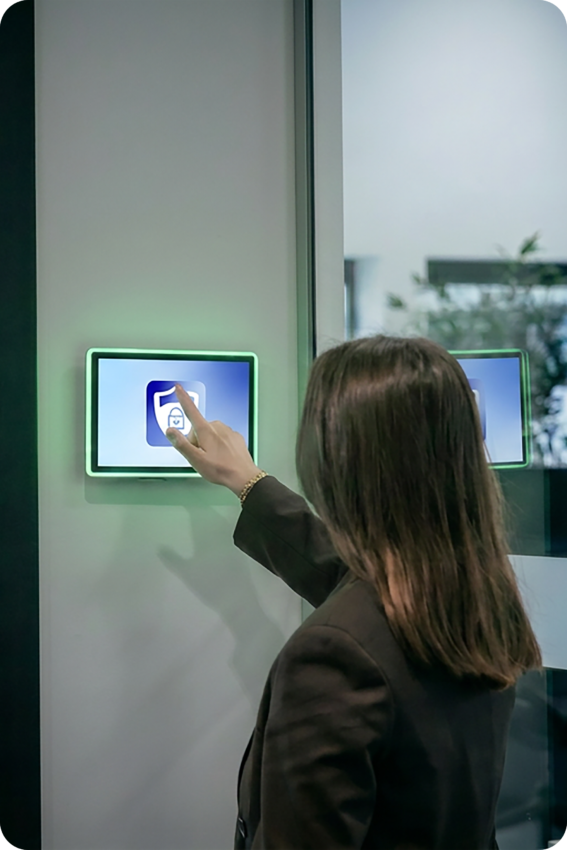
The end of Google security updates does not automatically create a security gap, if the system is designed with lifecycle reality in mind. This is where solutions like ProSECURE come in. Instead of relying only on the standard Android update window, ProSECURE is designed to extend the secured lifecycle of devices beyond the official support period.
In practice, that means:
So in the earlier example:
This extends both security continuity and return on investment.
Google security updates are invisible, until they stop. And when they do, nothing breaks immediately. That’s exactly why it’s often underestimated. But security on Android is not tied to functionality, it is tied to time, lifecycle, and maintenance windows. For many environments, the real question is no longer “How long does this device last?” but:
“How long does it stay secure, and how do we protect the investment behind it?”
And that is where lifecycle-aware approaches become essential. Want to learn more about ProSECURE and how it can help protect your investment? Ask one of our colleagues.

Let us know!