
(Et pourquoi cela est plus important qu’on ne le pense)
"Il fonctionne toujours très bien... alors pourquoi s’inquiéter ?" C’est généralement à ce moment-là que tout commence. L’appareil continue de fonctionner, les applications s’ouvrent normalement et rien ne semble anormal. Puis, un jour, quelqu’un vérifie les paramètres et constate que la date du dernier correctif de sécurité n’a pas changé depuis plusieurs mois.
Pour de nombreux utilisateurs, et même pour de nombreuses organisations, cela peut sembler n’être qu’un détail très technique. Et à juste titre, car c’en est un. Mais cela marque également un changement essentiel dans un élément sur lequel repose tout le reste : la base de sécurité de l’appareil.
Les mises à jour de sécurité Google font partie des mesures de protection continues au sein de l’écosystème Android géré par Google. Leur objectif est simple : corriger les vulnérabilités récemment découvertes dans le système d’exploitation Android. Ces mises à jour comprennent généralement :
Elles sont publiées régulièrement, généralement selon un cycle mensuel, puis distribuées par les fabricants aux appareils encore pris en charge. En résumé, elles permettent aux appareils Android de rester protégés contre les nouvelles menaces.
Une idée reçue courante consiste à penser que le support de sécurité commence lorsque vous achetez un appareil. En réalité, il commence dès le lancement d’une version d’Android.
Par exemple :
Dans ce cas, il ne vous reste qu’un an de support de sécurité, et non trois.
Cela s’explique par le fait que le support est lié à la version du logiciel et non à la date d’achat de l’appareil.

Plusieurs raisons expliquent cela :
Avec le temps, le support prend donc naturellement fin, même si l’appareil lui-même fonctionne encore parfaitement.
Lorsque Google cesse de fournir des mises à jour de sécurité, l’appareil ne cesse pas soudainement de fonctionner. En revanche, sa couche de protection n’évolue plus.
Cela signifie que :
Les nouvelles vulnérabilités découvertes après la fin de la période de support ne sont plus corrigées.
Au fil du temps, cela entraîne une exposition croissante aux risques :
Le risque est rarement immédiat. Il augmente progressivement et souvent de manière invisible au fil du temps.
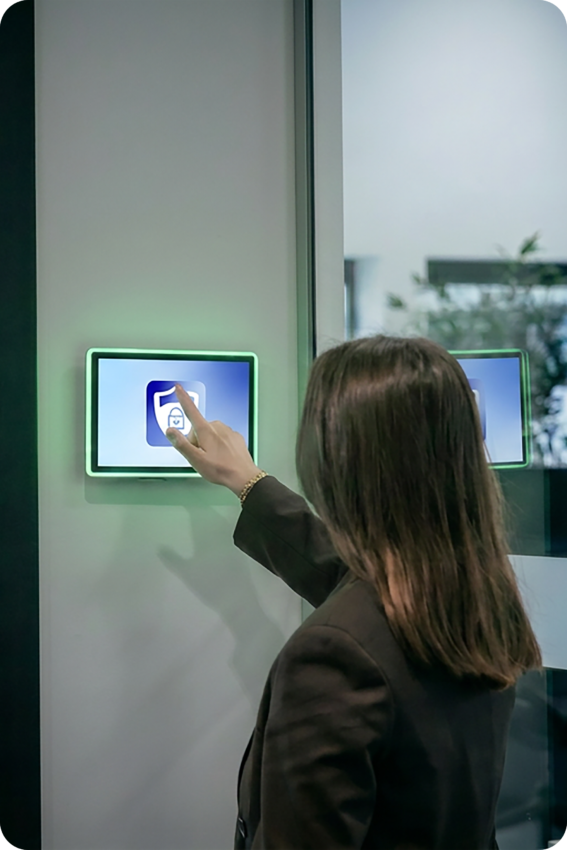
Dans le cadre d’un usage grand public, les appareils sont régulièrement remplacés. Dans les environnements professionnels, ce n’est souvent pas le cas.
Pensez par exemple à :
Ces systèmes sont conçus pour fonctionner pendant de nombreuses années, souvent sans interruption.
Un deuxième aspect important entre alors en jeu : la protection de l’investissement.
Ces appareils ne sont pas seulement des outils. Ils représentent également un investissement. Devoir les remplacer plus tôt que nécessaire en raison de l’arrêt du support logiciel est non seulement contraignant sur le plan opérationnel, mais également coûteux.
Remplacer continuellement le matériel simplement parce que les mises à jour de sécurité arrivent à expiration peut rapidement entraîner un cycle coûteux :
La véritable question ne concerne donc pas uniquement la sécurité, mais aussi la manière de protéger la durée de vie de votre investissement.
La fin des mises à jour de sécurité Google ne crée pas automatiquement une faille de sécurité, à condition que le système ait été conçu en tenant compte de la réalité de son cycle de vie. C’est ici qu’interviennent des solutions telles que ProSECURE.
Au lieu de dépendre uniquement de la période standard de mises à jour Android, ProSECURE est conçu pour prolonger le cycle de vie sécurisé des appareils au-delà de la période de support officielle.
Concrètement, cela signifie que :
Reprenons l’exemple précédent :
Cela permet de prolonger à la fois la continuité de la sécurité et le retour sur investissement.

Let us know!